
Flash Files
How to Unroot Xiaomi Poco F1 & Restore Stock ROM? INSTALL!
The ROM now can be installed on devices that are not supported by their manufacturers to receive any future updates. For instance, POCO F1 was launched with Android 9 and can go up to as high as Android 11. But, by using PORTED ROMS or Custom ROMS, you can try Android versions that will not be provided officially by your OEM. When it comes to battery and speed, stock firmware ROM the Poco F1 is a beast that rivals smartphones double or triple the price. The camera, display, build, USB-C charging, 3.5mm jack, stereo(ish) loudspeakers, all contribute to a solid experience. Xiaomi’s sub-brand Poco released its first device The Pocophone F1 and it became the cheapest Android device having Qualcomm’s Snapdragon 845 Chipset.
- If your Nandroid backup is more than a day or two old, you might want to keep it for emergencies only.
- The device is essentially a rebranded Redmi K50G that was launched in China earlier this year.
- If your device is rooted, Rooting helps you to enable secure system, and you have fully access to control your device.
- If you wish to know more about crDroid for POCO F1, you can get it on XDA Developers.
It getting Pie so soon is impressive, as only a few OEMs—HMD Global, Huawei, Sony, etc—have sent out any Pie updates at all. Most of those also have the advantage of working with Android skins that are close to stock.
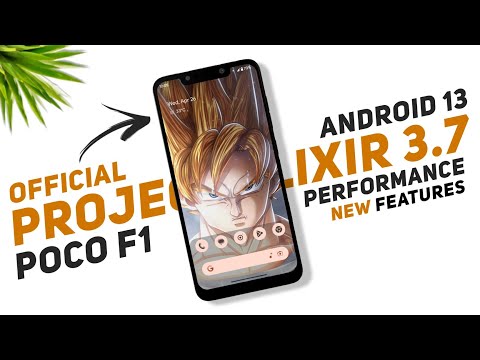
If you love extra Lineage OS features, you can use this official Lineage OS. Anywhere from 25GB-100GB will result in very noticeably increased build speeds
You might be able to find a pre-rooted version of the ROM. The quickest way to revert your phone back to its stock ROM is to restore your Nandroid backup. Assuming you have an up-to-date one available, this shouldn’t result in much—or any—data loss. In this guide, we’ll take a look at the three main ways to get back to stock Android.
